
The History of Colon Hydrotherapy Story
Ancient Beginnings
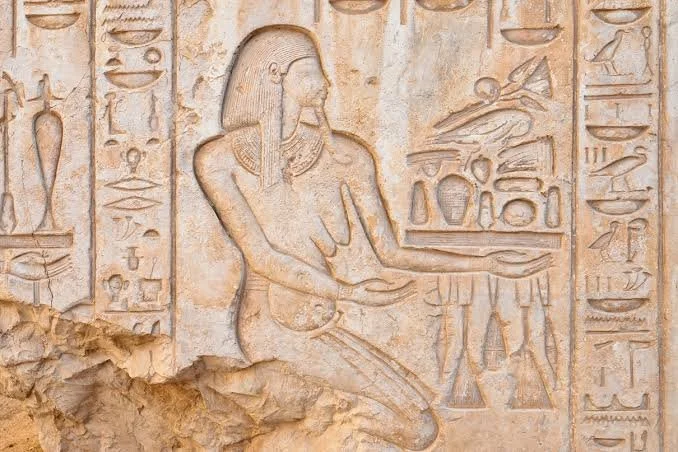
The practice of cleansing the colon dates back thousands of years. One of the earliest written references appears in the Ebers Papyrus, an ancient Egyptian medical text dating to approximately 1500 BCE, which describes cleansing practices as part of health and hygiene. Historical accounts suggest that early forms of intestinal cleansing were performed using simple tools and water from nearby rivers.
As medical knowledge evolved, various cultures, including the Egyptians, Greeks, and Romans, incorporated enemas and other cleansing methods into their healthcare traditions. These practices reflected the long-standing belief that digestive health played an important role in overall well-being.
The Rise of Modern Colon Hydrotherapy
During the late 19th and early 20th centuries, advances in sanitation and equipment led to the development of more sophisticated colon hydrotherapy systems. These innovations made irrigation of the large intestine more controlled and hygienic, and the therapy gained popularity in both medical and wellness settings.
Several physicians of the era, including Dr. John Harvey Kellogg, explored the relationship between digestion, nutrition, exercise, and bowel health as part of their broader approach to patient care. During this period, colon hydrotherapy was one of many methods used to support digestive function.
As the profession grew, inconsistent training and varying standards among practitioners affected public perception. Over time, the industry responded by developing standardized education, certification programs, and improved safety protocols.
Colon Hydrotherapy Today
Modern colon hydrotherapy has evolved significantly from its early beginnings. Today's systems are designed with client comfort, hygiene, and safety in mind. Closed-system equipment uses warm, filtered water and disposable components while allowing trained practitioners to carefully monitor each session.
Professional organizations, including the International Association for Colon Hydrotherapy (I-ACT) and the National Board for Colon Hydrotherapy (NBCHT), establish educational standards and credentialing requirements for practitioners. Many colon hydrotherapy systems are also regulated by the U.S. Food and Drug Administration (FDA) for their intended use.
Colon Hydrotherapy at Essentia Being™
At Essentia Being™, we view colon hydrotherapy as one component of a holistic approach to wellness. Our sessions are designed to complement healthy lifestyle habits, including balanced nutrition, proper hydration, movement, and mindful self-care.
We are committed to providing a professional, comfortable, and educational experience while helping clients make informed decisions about their wellness journey.
Disclaimer: Colon hydrotherapy is a complementary wellness service and is not intended to diagnose, treat, cure, or prevent any disease. Always consult your healthcare provider regarding any medical concerns or before beginning new wellness practices.